A Beginner's Guide to Akira Kurosawa: The Master Who Reshaped Cinema
A considered reading of the story, craft, context, and questions behind the screen.
Job Overview & Director Legacy Akira Kurosawa stands as one of the most influential visionaries in the history of global cinema. Over a career spanning five decades, the Japanese master directed 30 feature films that revolutionized visual editing, dynamic camera movement, ensemble staging, and narrative structure. His films seamlessly bridged feudal Japanese history with universal human philosophy, deeply influencing Western Hollywood directors—inspiring George Lucas to create 'Star Wars' (based on 'The Hidden Fortress'), Sergio Leone to invent the Spaghetti Western (adapting 'Yojimbo' into 'A Fistful of Dollars'), and John Sturges to adapt 'Seven Samurai' into 'The Magnificent Seven.' This guide provides film lovers with an accessible entry point into Kurosawa's greatest masterworks.
Key Responsibilities & Essential Masterpieces 1. 'Seven Samurai' (*Shichinin no Samurai*, 1954) – The ultimate action epic that established the modern 'assembling a team' trope, featuring breathtaking weather-drenched battle sequences and unforgettable character archetypes. 2. 'Rashomon' (1950) – The groundbreaking film that introduced the concept of subjective truth and unreliable memory to global cinema by recounting a single crime from four conflicting perspectives. 3. 'Ikiru' (1952) – A deeply moving human drama following an elderly bureaucrat who discovers he has terminal cancer and decides to construct a children's playground to give his life meaning. 4. 'Ran' (1985) – Kurosawa’s late-career color masterpiece adapting Shakespeare’s 'King Lear' into feudal Japan, featuring jaw-dropping army battle logistics and vibrant color heraldry. 5. 'Yojimbo' (1961) – A witty, razor-sharp samurai western following a masterless ronin who tricks two corrupt rival gangs into destroying each other in a small town.
Essential Skills & Directorial Signature (Visual Motion) Kurosawa was a master of 'Visual Motion.' He famously stated that cinema must always feature movement: if the actors are standing still, the camera must move; if the camera is still, the weather must move (rain, wind, snow, dust, fire). His signature editing technique—the wipe transition—and his use of telephoto lenses to flatten spatial backgrounds created a dynamic visual rhythm that made historical action feel modern and urgent.
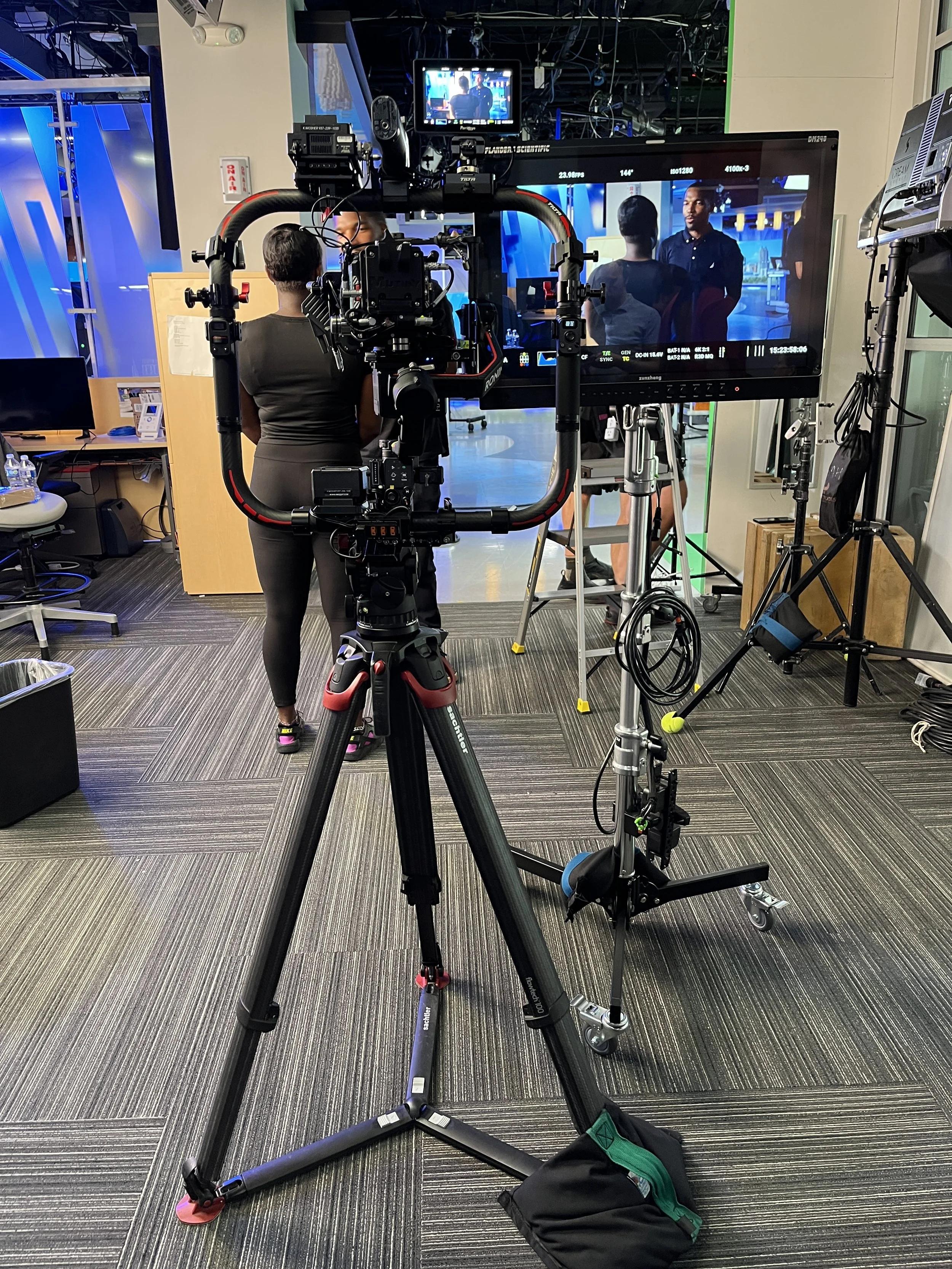
Tools & Technologies (Pioneering Multi-Camera Setup) For the climactic rain-drenched battle in 'Seven Samurai' and the massive castle burnings in 'Ran,' Kurosawa pioneered using multiple camera setups simultaneously. By filming action scenes with telephoto lenses from three distinct distances (wide, medium, close), he captured unrepeatable physical performances while preserving absolute spatial continuity in the editing room.
How to Get Started (Recommended Viewing Order) Beginners should start with 'Yojimbo' for accessible action and dark humor, proceed to 'Seven Samurai' for cinematic grandeur, explore 'Rashomon' for narrative genius, and culminate with the quiet emotional beauty of 'Ikiru.'
Portfolio & Practice (Toshiro Mifune Collaboration) The legendary collaboration between Akira Kurosawa and actor Toshiro Mifune across 16 films remains one of cinema's greatest director-actor partnerships. Mifune’s energetic, animalistic, fiercely expressive acting style counterbalanced Kurosawa’s precise visual discipline, creating iconic cinematic characters.
Career Development & Universal Recognition Winning the Venice Film Festival Golden Lion for 'Rashomon' in 1951 single-handedly introduced Japanese cinema to the Western world, paving the way for international film appreciation. Kurosawa received an Academy Honorary Award in 1990, celebrated by peers like Steven Spielberg and Martin Scorsese as the ultimate master of their craft.
Learning Resources & Archival Material Film scholars can consult Donald Richie’s definitive text 'The Films of Akira Kurosawa,' explore Criterion Collection audio commentaries by Stephen Prince, and watch the documentary 'Kurosawa: The Last Emperor' to master the visual grammar of Japanese cinema.
Golden Rift reads this work as part of a wider conversation about how cinema teaches us to look. The film’s achievement is not only its premise or its most memorable scene, but the way separate choices reinforce one another: performance creates pressure, editing controls discovery, sound gives images a physical afterlife, and production design turns an abstract argument into a place we can enter. That relationship between form and meaning is why the title remains useful for discussion beyond its release cycle. It invites comparison, disagreement, and a second viewing rather than a single verdict.
This essay is intended as an editorial guide, not a substitute for the film itself or for specialist historical research. Dates, awards, creative credits, and production details should be checked against primary records and reputable archives when used for academic or professional work. Our reference trail is included so readers can continue their own investigation. We value uncertainty where the evidence is incomplete, and we distinguish interpretation from fact. That distinction is central to responsible criticism: a persuasive reading should open a film up, never pretend to close it down.
Primary reference & further reading
This entry was supplied with the Golden Rift editorial archive. Use the credited source as a starting point for verification, then consult official film archives, published interviews, books, and restoration notes for deeper research.
Visit the cited reference ↗