A Beginner's Guide to Japanese Cinema: From Ozu and Kurosawa to Studio Ghibli
A considered reading of the story, craft, context, and questions behind the screen.
Job Overview & Cinematic History Japanese cinema stands as one of the richest, most influential artistic traditions in global film history. From quiet, meditative family dramas (*Shinto-eiga*) to sweeping samurai epics, haunting horror, post-war avant-garde masterworks, and revolutionary animation, Japanese filmmakers have permanently shaped how international cinema approaches visual composition, pacing, and human philosophy. For film enthusiasts seeking to build a strong foundation in global cinema, exploring Japanese film history offers profound artistic rewards. This guide highlights essential masters, historical eras, and landmark films that established Japan as a global cinematic titan.
Key Responsibilities & Essential Masters 1. Yasujiro Ozu – The master of domestic quietude and family dynamics, famous for his 'tatami shot' camera placement. Landmark film: 'Tokyo Story' (*Tokyo Monogatari*, 1953), a gentle, devastating meditation on aging parents visiting ungrateful adult children in post-war Tokyo. 2. Akira Kurosawa – The global titan of epic historical staging, visual motion, and samurai action. Landmark film: 'Seven Samurai' (1954), the foundational blueprint for modern ensemble action cinema. 3. Kenji Mizoguchi – The master of long tracking takes and feminist historical tragedies. Landmark film: 'Ugetsu' (1953), a haunting ghost story exploring greed, war, and sacrifice in feudal Japan. 4. Masaki Kobayashi – The uncompromising critic of feudal hypocrisy and human cruelty. Landmark film: 'Harakiri' (*Seppuku*, 1962), a masterclass in anti-samurai drama and static visual tension. 5. Hayao Miyazaki & Studio Ghibli – The world-renowned animation auteur who elevated anime into prestigious global fine art. Landmark film: 'Spirited Away' (2001), an Oscar-winning folklore masterpiece.
Essential Skills & Distinct Aesthetics (The Tatami Shot & Ma) Japanese cinema introduces unique aesthetic concepts distinct from Western Hollywood storytelling. Yasujiro Ozu pioneered the 'tatami shot'—placing the camera at a low, fixed height equivalent to the eye level of someone sitting on a traditional Japanese tatami reed mat. Furthermore, Japanese films embrace *Ma* (negative space, stillness, and pauses), allowing scenes to breathe through lingering quiet shots of weather, train tracks, or natural landscapes before advancing dramatic action.
Tools & Technologies (Long Takes & Compositional Depth) Directors like Kenji Mizoguchi pioneered sweeping, unbroken long-take camera shots utilizing complex dolly tracks, while Kurosawa mastered telephoto lens staging that compressed multi-layered character groupings within single wide frames.
How to Get Started (Viewing Sequence) Start with the accessible action and moral clarity of Akira Kurosawa’s 'Yojimbo' or 'Seven Samurai.' Transition to the animated magic of Studio Ghibli’s 'Spirited Away,' and move into the contemplative, quiet family drama of Yasujiro Ozu’s 'Tokyo Story.'
Portfolio & Practice (Global Influence) The legacy of Japanese cinema is immense: Ozu’s quiet minimalism influenced American indie directors like Jim Jarmusch and Paul Schrader; Kurosawa inspired George Lucas, Sergio Leone, and Steven Spielberg; while Japanese horror (*J-Horror* titles like 'Ringu') redefined 2000s global horror cinema.
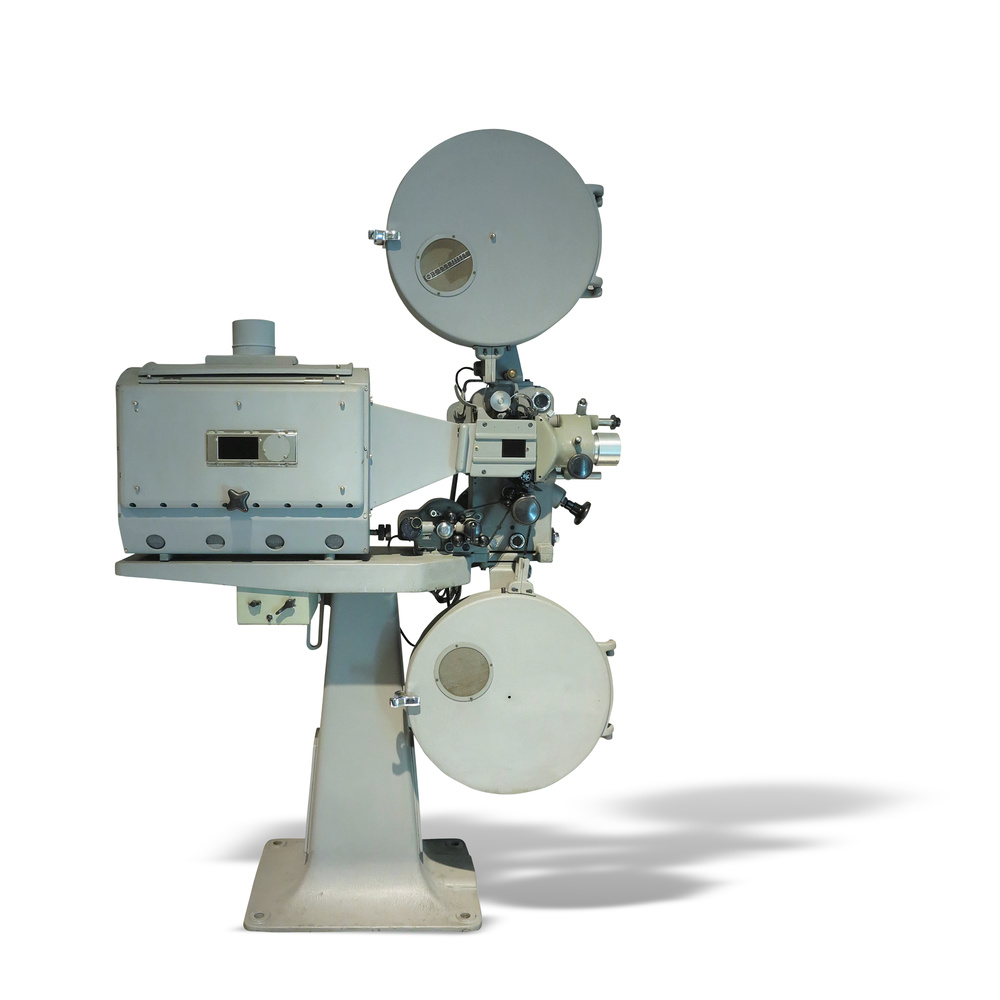
Career Development & Restoration Efforts Institutions like the Shochiku Studios archive, the National Film Archive of Japan, and The Criterion Collection maintain ongoing digital restorations of classic Japanese films, preserving nitrate and safety film stock in pristine 4K formats for global audiences.
Learning Resources & Critical Reading Film students can consult Donald Richie’s 'A Hundred Years of Japanese Film' and Audie Bock’s 'Japanese Film Directors' to understand the cultural, historical, and aesthetic traditions of Japanese cinema.
Golden Rift reads this work as part of a wider conversation about how cinema teaches us to look. The film’s achievement is not only its premise or its most memorable scene, but the way separate choices reinforce one another: performance creates pressure, editing controls discovery, sound gives images a physical afterlife, and production design turns an abstract argument into a place we can enter. That relationship between form and meaning is why the title remains useful for discussion beyond its release cycle. It invites comparison, disagreement, and a second viewing rather than a single verdict.
This essay is intended as an editorial guide, not a substitute for the film itself or for specialist historical research. Dates, awards, creative credits, and production details should be checked against primary records and reputable archives when used for academic or professional work. Our reference trail is included so readers can continue their own investigation. We value uncertainty where the evidence is incomplete, and we distinguish interpretation from fact. That distinction is central to responsible criticism: a persuasive reading should open a film up, never pretend to close it down.
Primary reference & further reading
This entry was supplied with the Golden Rift editorial archive. Use the credited source as a starting point for verification, then consult official film archives, published interviews, books, and restoration notes for deeper research.
Visit the cited reference ↗