Deconstructing the Isolation and Madness in Robert Eggers' 'The Lighthouse'
A considered reading of the story, craft, context, and questions behind the screen.
Job Overview & Analytical Framework Robert Eggers’ 2019 psychological horror masterpiece 'The Lighthouse' stands as an extraordinary achievement in atmospheric filmmaking, surrealist art, and visceral psychological terror. Shot entirely in stark, high-contrast 35mm black-and-white using vintage 1920s lenses, the film follows two lighthouse keepers—veteran lighthouse keeper Thomas Wake (Willem Dafoe) and brooding, secretive former timber worker Ephraim Winslow (Robert Pattinson)—stranded on a remote, wind-swept New England island in the 1890s during a brutal, multi-week maritime storm. Deconstructing the film requires examining how Eggers utilizes claustrophobic square framing, Greek mythology, nautical folklore, and escalating psychological delirium to explore male power dynamics, guilt, and human madness.
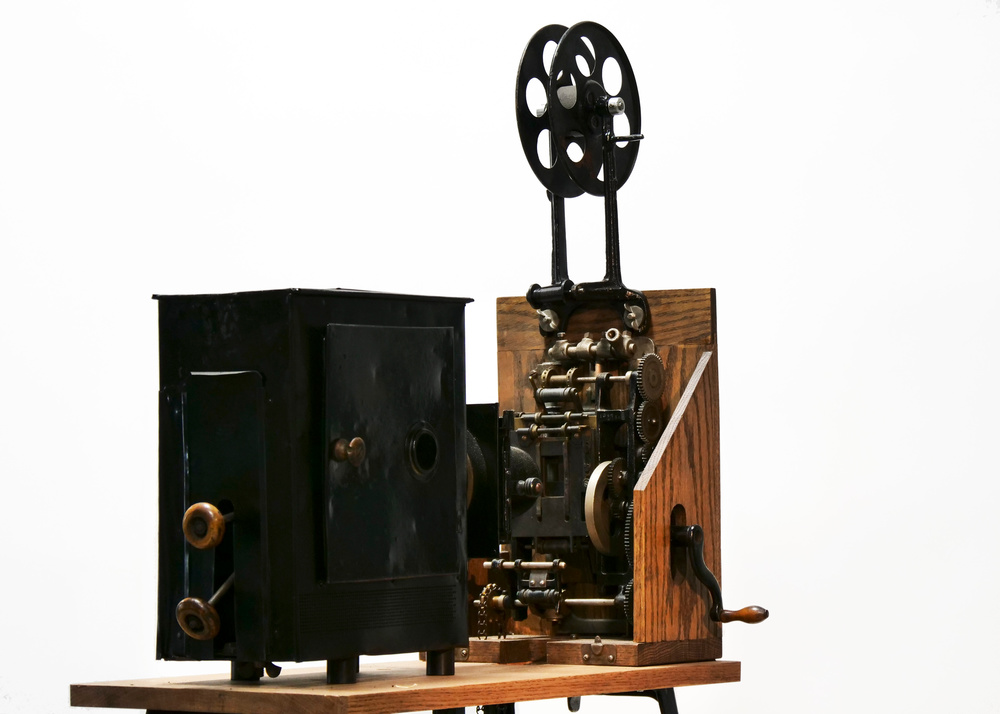
Key Responsibilities & Thematic Execution The narrative architecture of 'The Lighthouse' functions as a slow descent into total psychological unravelling. As weeks pass and a violent storm traps them indefinitely on the island, the power dynamic between the authoritarian Wake and the resentful subordinate Winslow devolves into a hallucinatory nightmare of drunken brawls, flatulence, physical exhaustion, sea-gull harassment, and mythological hallucinations. Winslow becomes pathologically obsessed with the lighthouse lantern room at the top of the tower—a sacred, blindingly bright space Wake guards jealously, leading to eerie suggestions of siren transformations, mermaids, and Prometheus stealing divine fire. The film refuses to provide easy rational explanations, inviting viewers to interpret the events as shared folktale madness, alcoholic delirium, or psychological breakdown.
Essential Skills & Cinematographic Architecture (Box Framing) Cinematographer Jarin Blaschke utilized a rare 1.19:1 aspect ratio (a nearly square box format used in early 1930s cinema) and custom orthochromatic filter glass that rendered blue skies pitch black and exaggerated skin blemishes, wrinkles, and sweat. This square frame severely restricts lateral movement, inducing a suffocating sense of claustrophobia that traps the audience on the island alongside the two unhinged men.
Tools & Technologies (Acoustic Foghorns & Sound Design) Sound design is an active character in the film. The deafening, rhythmic blare of the mechanical island foghorn serves as a relentless acoustic heartbeat that grinds away at the characters' sanity. Combined with howling gales, crashing Atlantic waves, and rhythmic wooden floorboards creaking, the soundscape creates an immersive sensory nightmare.
How to Get Started (Analytical Entry Points) Viewers analyzing the film can trace the mythological parallels: Thomas Wake embodies Proteus or old sea gods, while Ephraim Winslow (whose real name is revealed to be the actual Ephraim Winslow) represents Prometheus stealing fire from the gods, meeting a brutal mythological punishment at the film's climax.
Portfolio & Practice (Acting Masterclass) Robert Pattinson and Willem Dafoe deliver towering, fearless physical performances. Dafoe’s Shakespearean, booming maritime monologues contrast brilliantly with Pattinson’s twitchy, paranoid, and increasingly animalistic physical breakdown.
Career Development & Cinematic Legacy 'The Lighthouse' cemented Robert Eggers as one of the most distinctive, uncompromising auteur directors of modern horror, proving that original, black-and-white art-house cinema can achieve critical acclaim and cult devotion.
Learning Resources & Critical Literature Film scholars can study the published screenplay alongside critical essays exploring 19th-century maritime literature (such as Herman Melville and Edgar Allan Poe) to understand the literary roots of Eggers' nautical nightmare.
Golden Rift reads this work as part of a wider conversation about how cinema teaches us to look. The film’s achievement is not only its premise or its most memorable scene, but the way separate choices reinforce one another: performance creates pressure, editing controls discovery, sound gives images a physical afterlife, and production design turns an abstract argument into a place we can enter. That relationship between form and meaning is why the title remains useful for discussion beyond its release cycle. It invites comparison, disagreement, and a second viewing rather than a single verdict.
This essay is intended as an editorial guide, not a substitute for the film itself or for specialist historical research. Dates, awards, creative credits, and production details should be checked against primary records and reputable archives when used for academic or professional work. Our reference trail is included so readers can continue their own investigation. We value uncertainty where the evidence is incomplete, and we distinguish interpretation from fact. That distinction is central to responsible criticism: a persuasive reading should open a film up, never pretend to close it down.
Primary reference & further reading
This entry was supplied with the Golden Rift editorial archive. Use the credited source as a starting point for verification, then consult official film archives, published interviews, books, and restoration notes for deeper research.
Visit the cited reference ↗