Heartwarming & Inspiring: The Ultimate Family Movie Night Guide
A considered reading of the story, craft, context, and questions behind the screen.
Job Overview & Family Selection Strategy Planning a family movie night requires selecting films that bridge generational divides—delightful enough to captivate young children, yet clever, emotionally resonant, and visually stunning enough to engage parents and older teenagers. Far from simple distraction, the best family cinema offers universal themes of empathy, resilience, courage, and family solidarity. This comprehensive guide highlights ten timeless family masterpieces that deliver heartwarming humor, world-class storytelling, and memorable shared viewing experiences for all ages.
Key Responsibilities & Top Family Recommendations 1. 'Paddington 2' (2017) – A breathtaking masterpiece of warmth, kindness, and visual comedy that follows a polite bear spreading joy across London. 2. 'Spirited Away' (2001) – Hayao Miyazaki’s Studio Ghibli anime classic explores courage, identity, and magical wonder as a young girl navigates a spirit realm. 3. 'Spider-Man: Into the Spider-Verse' (2018) – A revolutionary animated masterpiece featuring groundbreaking visual styles, high-octane action, and an inspiring coming-of-age message. 4. 'Inside Out' (2015) – Pixar’s ingenious psychological animation helps children and parents understand emotional health, empathy, and growing up through colorful inner-mind anthropomorphism. 5. 'The Princess Bride' (1987) – Rob Reiner’s beloved fantasy comedy blends romance, sword fighting, eccentric humor, and bedtime storytelling magic. 6. 'WALL-E' (2008) – Pixar’s nearly dialogue-free sci-fi fable delivers a poignant environmental message paired with a charming romantic robot adventure. 7. 'E.T. the Extra-Terrestrial' (1982) – Steven Spielberg’s classic adventure captures the pure innocence of childhood friendship, wonder, and emotional healing. 8. 'Coco' (2017) – A visually dazzling celebration of Mexican culture, music, family heritage, and honoring loved ones across generations. 9. 'My Neighbor Totoro' (1988) – A gentle, comforting Ghibli classic highlighting childhood imagination, nature, and sisterly love without reliance on scary villains. 10. 'The Iron Giant' (1999) – Brad Bird’s beautifully animated sci-fi story delivers a profound message about personal choice, peace, and standing up against fear.
Essential Skills & Co-Viewing Engagement To maximize family movie nights, parents should encourage post-viewing conversations. Discussing a film’s moral themes—such as Paddington’s belief in seeing the good in everyone, or Riley’s realization in 'Inside Out' that sadness is a necessary emotion for healing—helps children process complex emotional concepts in a safe, creative context. High-quality family cinema acts as a powerful educational bridge, teaching emotional intelligence, cultural appreciation, and narrative literacy.
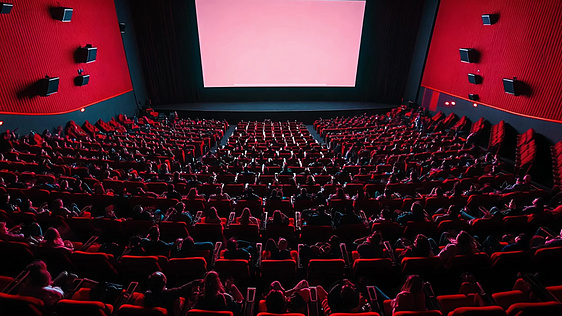
Tools & Technologies (Audio-Visual Setup) Optimizing your home viewing environment enhances animated and fantasy cinema immensely. High-definition color displays bring the vibrant palettes of 'Coco' and 'Spider-Verse' to life, while decent soundbar setups allow families to appreciate the soaring musical scores of Joe Hisaishi or Michael Giacchino. Creating a comfortable cozy space with popcorn and dimmed lighting transforms movie night into a cherished weekly tradition.
How to Get Started (Age-Appropriate Pairing) Families with very young children should start with gentle, slow-paced titles like 'My Neighbor Totoro' or 'Paddington 2,' which avoid intense jump scares or complex dialogue. As children grow older, introduce high-concept animated stories like 'Inside Out' or timeless live-action adventures like 'E.T.' and 'The Princess Bride.'
Portfolio & Practice (Universal Themes) The unifying strength of great family cinema is its refusal to talk down to children. Masterpieces like 'Spirited Away' and 'WALL-E' treat young audiences with intelligence, delivering rich visual art and sophisticated narrative layers that parents appreciate even more upon repeat viewings.
Career Development & Animation Craft Animation studios like Pixar, Studio Ghibli, and Sony Pictures Animation have elevated family cinema into prestigious global art forms. Their teams of artists, animators, and writers spend years perfecting character rigging, lighting physics, and emotional storytelling, proving that family films can achieve universal critical and artistic success.
Learning Resources & Parent Guides Parents seeking age-appropriate content metrics can consult trusted resources like Common Sense Media or RogerEbert.com parent reviews. These platforms provide clear breakdowns of thematic elements, educational value, and age recommendations, ensuring stress-free and rewarding movie nights for the whole family.
Golden Rift reads this work as part of a wider conversation about how cinema teaches us to look. The film’s achievement is not only its premise or its most memorable scene, but the way separate choices reinforce one another: performance creates pressure, editing controls discovery, sound gives images a physical afterlife, and production design turns an abstract argument into a place we can enter. That relationship between form and meaning is why the title remains useful for discussion beyond its release cycle. It invites comparison, disagreement, and a second viewing rather than a single verdict.
This essay is intended as an editorial guide, not a substitute for the film itself or for specialist historical research. Dates, awards, creative credits, and production details should be checked against primary records and reputable archives when used for academic or professional work. Our reference trail is included so readers can continue their own investigation. We value uncertainty where the evidence is incomplete, and we distinguish interpretation from fact. That distinction is central to responsible criticism: a persuasive reading should open a film up, never pretend to close it down.
Primary reference & further reading
This entry was supplied with the Golden Rift editorial archive. Use the credited source as a starting point for verification, then consult official film archives, published interviews, books, and restoration notes for deeper research.
Visit the cited reference ↗